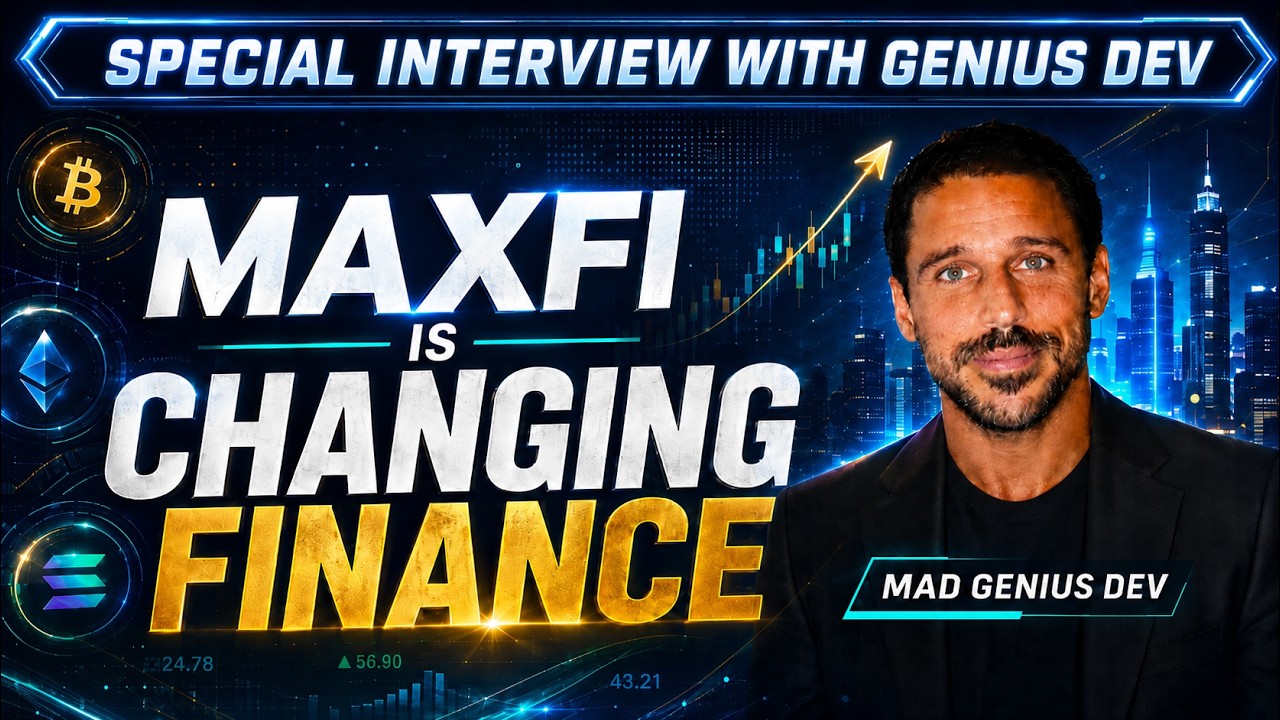
Rus Bebeği Stratejisi: MaxFi'da Katmanlı LP Aralıkları (DAO King ile AMA)
MaxFi az önce $423K TVL'ye ulaştı ve her ay iki katına çıkıyor. DAO King'in Alex 'YaBonks' Walch ile yaptığı AMA'nın özeti: Rus Bebeği Stratejisi, 50/50 otomatik bileşik faiz, %255 APR ödeyen bir blue-chip havuzu, Valves Security denetim sonuçları ve Agent Max'in geri alım-ve-yakma tokenomi̇si̇.
Bolumler
- 0:00MaxFi $423K TVL'ye ulaştı — her ay iki katına çıkıyor
- 2:00Degen pozisyonlarında bileşik faizin gerçekten neden çalıştığı
- 3:5750/50 otomatik bileşik faiz: hücum ve savunma
- 8:50Blue chip'lere satmak vs daha geniş aralıklarla biriktirmek
- 11:00Rus Bebeği Stratejisi (UIG'deki Angie'ye teşekkür)
- 14:30MaxFi'da ultra dar aralıklar neden işe yarar
- 15:50Valves Security denetimi: sıfır kritik, sıfır yüksek
- 17:52ADA/BTC mücevheri: %5 aralıkta %255 APR
- 24:00LP farming vs günlük alım-satım: huzur temettüsü
- 34:30Agent Max geri alım-ve-yakma tokenomi̇si̇
- 41:30Token sahipleri için Agent Max premium analitiği
- 49:40$20K'den $100K portföylere ölçeklenme
- 54:00Kilitleme yok, ceza yok — MaxFi'yi deneyin
Onemli Noktalar
- ✓MaxFi'nın TVL'si az önce $423K'yi geçti, lansmandan bu yana her ay iki katına çıkıyor
- ✓Rus Bebeği Stratejisi aynı çift üzerine dar, orta ve geniş bir aralığı katmanlı olarak yerleştirir, böylece en az bir aralık her zaman aralık içinde olur ve kazanır
- ✓MaxFi'nin 50/50 otomatik bileşik faizi ücretlerin yarısını LP anaparasına geri gönderir, diğer yarısını kullanıcının cüzdanına — pozisyon içindeki yarı geçici kaybı dengeler
- ✓Cüzdan yarısını yönetmenin iki yolu: kârları kilitlemek için blue chip'lere satmak veya yüksek inançlı tokenlarda fiyat artışından yararlanmak için daha geniş bir aralık çalıştırmak
- ✓Aerodrome üzerinde ADA/BTC, %5 aralıkta ~%255 APR ödüyor — korelasyonlu blue-chip çift, düşük rekabet, yüksek hacim, fiyat artışı ücretsiz geliyor
- ✓Valves Security denetimi: sıfır kritik, sıfır yüksek, sıfır orta güvenlik açığı. Denetçilerin gördüğü en küçük saldırı yüzeyi — çünkü MaxFi'nin swap'sız mimarisi yaygın DeFi istismar vektörlerinin ~%80'ini kaldırır
- ✓Agent Max tokenomi̇si̇: farm edilen verimin %50'si LP pozisyonlarına yeniden yatırılır; %50'si geri alım-ve-yakmayı finanse eder. Modellenen yakma oranı: 1. yılda dolaşımdaki arzın ~%50'si. Token sahipleri ayrıca premium havuz keşif analitiğine erişim kazanır.
- ✓LP farming vs günlük alım-satım: günlük alım-satım yapanların %95'i para kaybeder, ~%70'i kaldıraçla 6 ay içinde hesaplarını patlatır. LP farming likidasyon veya stop-loss olmadan 24/7 çalışır.
$423K TVL ve aylık iki katına çıkma
MaxFi'nin TVL'si bu hafta $423K'yi geçti ve lansmandan bu yana her ay iki katına çıkıyor. Yakın tarihli bir AMA'da, DAO King ve MaxFi'nin geliştiricisi Alex "YaBonks" Walch, protokolün nerede olduğunu, kullanıcıların ne öğrendiğini ve sıradaki adımları inceledi. Büyüme pazarlama kaynaklı değil — kullanıcılar gerçek kazançlar bildiriyor, ağlarına anlatıyor ve daha fazla sermaye ekliyor. MaxFi Discord, havuz keşfi ve strateji tartışması için bir merkez haline geldi.
Bu makale AMA'nın ana konularını özetliyor ve büyümeyi yürüten stratejileri ve araçları çözümlüyor.
Degen pozisyonlarının bileşik faizi gerçekten işe yarar
DAO King'in AMA'yı açtığı konulardan biri, bileşik faiz hakkındaki kendi düşüncesinde bir değişiklikti. Degen ağırlıklı portföyler için önceki tavsiyesi, bileşik faizi etkinleştirmeden önce anaparayı çekmekti. Simülasyonlar yapmak — ve Agent Max ile karşılaştırmak — onu tam tersinin doğru olduğuna ikna etti. Yüksek APR pozisyonunda (yeni bir Degen havuzunun erken aşamasında %1.000+ APR), agresif bileşik faiz, bir pozisyonun geçici kaybı nasıl aştığıdır. LP tabanı IL'in tükettiğinden daha hızlı büyür ve token soluklaştığında veya APR düştüğünde, bileşik taban zaten ilk mevduatın birkaç katını geri ödemiştir. DAO King, AMA'dan hemen önce yayınlanan ayrı bir tek kişilik videoda bunu ayrıntılı olarak ele aldı.
Alex, MaxFi'yi bu içgörü etrafında ilk günden itibaren inşa etti. 50/50 otomatik bileşik faiz sistemi, "bileşik yap ama hasat da yap" dengesini otomatikleştirir. Bir pozisyon her yeniden dengelendiğinde, MaxFi kazanılan ücretleri böler:
- Yarısı LP anaparasına yeniden yatırılır — pozisyonu sağlıklı tutar, geçici kaybı dengeler, boğa koşullarında kazanç tabanını büyütür
- Yarısı pasif gelir olarak kullanıcının cüzdanına gider
Alex bunu AMA'da "hem hücum hem savunma oynamak" olarak çerçeveledi. Pozisyon içindeki yarı IL'e karşı savunmadır. Cüzdan yarısı gerçek kilitli gelirdir. Kullanıcılar "agresif bileşik yap ve hepsini kaybetme riskini al" ile "her şeyi hasat et ve anaparanın azalmasını izle" arasında seçim yapmak zorunda değildir.
Cüzdan yarısı için iki yaklaşım
AMA, cüzdana inen ücretlerle ne yapılacağına dair iki farklı stratejiyi ele aldı — her ikisi de geçerli ve aynı portföyde bir arada bulunabilirler:
Blue chip'lere satın. Bir kullanıcının uzun vadeli tutmayı planlamadığı tokenlar için — küçük ölçekli oyunlar, net çok yıllık görünümü olmayan yeni tokenlar — cüzdan yarısı geldiğinde hemen BTC, ETH veya USDC'ye satılabilir. Bu, token'ın sonraki hafta ne yaparsa yapsın gerçek kâr kilitler. Alex bunu, BANKER veya VVV gibi tutmayı istemediği tokenlar için kendi kişisel yaklaşımı olarak tanımladı.
Daha geniş aralıklarla biriktirin. Bir kullanıcının boğa olduğu tokenlar için, cüzdan yarısı birikebilir veya aynı token üzerinde daha geniş bir aralık pozisyonuna yerleştirilebilir. Bu, ücretlerin yanı sıra fiyat artışını yakalar. DAO King bunu VVV ile yaklaşımı olarak tanımladı — satmak yerine token yükselirken ücret kazanmak için daha geniş %50 aralık çalıştırıyor.
Rus Bebeği Stratejisi
Alex, UIG topluluğunda likidite pozisyon yönetimi öğretiyor. Orada çalıştırdıkları kalıplardan biri, aynı çift üzerinde farklı genişliklerde üç pozisyon açmaktır:
- Dar aralık (%3-5) — maksimum ücret yakalama, yüksek APR, yüksek yeniden dengeleme oranı
- Orta aralık (%15-25) — sağlam APR, daha az bakım, bir miktar yukarı yakalama
- Geniş aralık (%40-60) — düşük APR ama fiyat artışının çoğunu yakalar
Üçü de aynı çift üzerinde, Rus bebekleri gibi iç içe yerleştirilmiş olarak çalışır. Fiyat dar aralıktan çıktığında, orta ve geniş aralıklar kazanmaya devam eder. Dar aralık yeniden dengelenip fiyata geri döndüğünde, üçü aynı anda kazanır. Token yukarı doğru fırlarsa, geniş aralık hareketin çoğuyla birlikte gider.
"Rus Bebeği" adını, UIG'de Alex'in yanında bir koç olan Angie türetti. Konsept — bir tane seçmek yerine aralık genişliklerinde çeşitlendirmek — yeni değil, ancak adlandırılmış bir kalıba sahip olmak öğretmeyi ve tekrarlamayı kolaylaştırıyor.
DAO King, AMA'da VVV üzerindeki mevcut kurulumunu paylaştı: VVV/ETH üzerinde %5, %20 ve %50 aralık. VVV hareket ettiğinde, üç pozisyondan ikisi genellikle aralık içinde kalır ve kazanmaya devam ederken dar olan yeniden dengelenir. Volatil bir tokende, strateji portföyün neredeyse hiç tamamen aralık dışı olmamasını sağlar.
Blue-chip mücevher: %255 APR'de ADA/BTC
DAO King son 7 gündür farm ettiği bir havuzu vurguladı: Aerodrome üzerinde ADA/BTC, %5 aralıkta ~%255 APR ödüyor. Çoğu LP platformunda, bu tür bir verim korelasyonlu blue-chip çift üzerinde uygulanabilir değil çünkü ücretler yeniden dengeleme sırasında swap maliyetlerini karşılamaz. MaxFi'nin swap'sız mimarisi matematiği değiştirir — yeniden dengelemeler swap olmadan gerçekleşir, bu da ADA/BTC, ETH/BTC ve cbETH/ETH gibi korelasyonlu çiftlerde dar aralıkları başka yerlerde olmayacak şekilde kârlı hale getirir.
Havuzu öne çıkaran üç faktör:
- Korelasyonlu çift — ADA ve BTC birlikte hareket etme eğilimindedir, bu nedenle IL düşük kalır ve yeniden dengelemeler nadirdir (DAO King'in pozisyonunda bir haftada sadece 2)
- Düşük rekabet — çoğu LP bulamadı, bu nedenle ücretler daha küçük bir sağlayıcı havuzuna ödenir
- Ücretsiz fiyat artışı — piyasa döngü diplerine yakın; ADA ve BTC yukarı yönde ilerlerse, dolar cinsinden pozisyon değeri de APR'nin üzerinde yükselir
Agent Max, MaxFi Discord kullanıcıları onu gün yüzüne çıkardıktan birkaç gün sonra bu havuzu bağımsız olarak işaretledi — çok değişkenli analizinin ayarlandığı tam türde kurulum: yüksek hacim/TVL oranı, düşük rekabet, güçlü çift korelasyonu.
Güvenlik: Valves Security denetim sonuçları
Valves Security yakın zamanda MaxFi'nin (ve temel Snuggle protokolünün) tam denetimini tamamladı. AMA'da duyurulan bulgular:
- Kullanıcı fonlarını etkileyen sıfır kritik, sıfır yüksek, sıfır orta güvenlik açığı
- Valves Security'nin notu: "Uzun zamandır bu kadar güvenli inşa edilmiş bir protokol görmedik. Denetlediğimiz tüm protokollerin en küçük saldırı yüzeyine sahipsiniz."
- Nedeni swap'sız mimari. DeFi istismarlarının yaklaşık %80'i swap kodu üzerinden akar — MEV çıkarımı, flaş kredi manipülasyonu, oracle fiyat saldırıları. MaxFi yeniden dengeleme yolundan swap'ları tamamen kaldırır, bu da bu tüm risk sınıfını kaldırır.
- Denetçiler gaz optimizasyon fırsatlarını tespit etti, bunlar gaz maliyetlerinin Base'den daha önemli olduğu yaklaşan BNB Chain ve Ethereum dağıtımlarına uygulanacak
Tam denetim raporu yayınlanacak.
Agent Max: geri alım-ve-yakma artı premium yardımcı program
Alex, Agent Max'i kendi fonlarından $12K ile 30 günlük canlı bir test olarak çalıştırıyor. Gerçek verim kazandı, kullanıcıların kaçırdığı havuzları tespit etti ve token'ın lansman ekonomisini yönlendirecek verileri üretiyor.
O testten çıkan modelin iki yardımcı programı var:
Yardımcı program 1 — farming volanı. Agent Max, MaxFi'da verim farm etmek için hazinesini kullanır. Verimin yarısı kendi LP pozisyonlarına yeniden yatırılır (farming tabanı büyüyor). Diğer yarısı Agent Max token'ının geri alım-ve-yakmasını finanse eder. Hazine bileşikleştikçe, geri alım oranı hızlanır — kendini güçlendiren bir volan. Modelleme, 1. yılda dolaşımdaki arzın yaklaşık %50'sinin yakılacağını öngörüyor.
Yardımcı program 2 — premium analitik erişimi. Token sahipleri Agent Max'in analitik motorunu açacak: çok değişkenli havuz keşfi (hacim, rekabet, TVL, çift korelasyonu), haftalık fırsat listeleri ve geri test edilmiş pozisyon önerileri. ADA/BTC havuzu motorun ürettiği türden bir keşif. İnsanlar hisse ipucu hizmetleri için aylık $500-$1.000 ödüyor — bu, gerçek geri test verilerinin arkasında olduğu likidite-farming eşdeğeridir.
Kesin parametreler (ücret yapısı, tutma gereksinimleri, lansman zamanı) modellemede kalıyor. Ekip acele bir lansman yerine uzun vadeli ekosistem sağlığı için optimize ediyor.
LP farming vs günlük alım-satım
AMA'nın önemli bir kısmı aktif alım-satım ile LP farming arasındaki farka ayrıldı. Veriler sert: perakende günlük alım-satım yapanların %95'i zamanla para kaybeder ve kaldıraç kullanan tüccarların yaklaşık %70'i altı ay içinde hesaplarını patlatır. Günlük alım-satım imkansız değil, ancak bunu tutarlı olarak yapan az sayıdaki kişi için tam zamanlı bir iştir — erken sabahlar, sürekli ekran süresi ve acımasız zihinsel yük.
LP farming yapısal olarak tam tersidir. Pozisyonlar 24/7 çalışır. Likidasyon yok. Stop-loss yok. Ekran süresi yok. Yalnızca kararlar önceden alınır: hangi çift, hangi aralık, ne sıklıkta yeniden dengeleme. Sonrasında ayarla ve unut.
DAO King mevcut portföyünü vaka çalışması olarak paylaştı: MaxFi'da yaklaşık $20K konuşlandırılmış, günde $128-$133 kazanıyor (~$4K/ay). $100K'ya ölçeklendirildiğinde, yaklaşık $10K/ay olarak projekte edilir — likit, kilitleme yok, istediğiniz zaman çekilir. Alex bunu LP farming'deki önceki kariyerine benzetti: $200K-$500K konsantre likidite portföylerini manuel olarak yöneten kullanıcılar $20K-$50K/ay'a ulaşabiliyordu, ancak bunu yapmak için haftada 10+ saat harcıyordu. MaxFi tüm oyun kitabını otomatikleştirir, zaman maliyeti olmadan karşılaştırılabilir verim üretir.
Yaklaşanlar
- BNB Chain ve Ethereum dağıtımları — denetimdeki gaz optimizasyon değişiklikleri sayesinde mümkün
- Agent Max lansmanı — tokenomi̇k ve zamanlama sonlandırılıyor
- DAO King ile haftalık AMA'lar — kullanıcı sorularını, havuz keşiflerini ve strateji güncellemelerini kapsar
MaxFi'yi deneyin
Mevcut kullanıcılar blue-chip ağırlıklı portföylerde gerçek %10+ aylık getiriler bildiriyor. Sistemi değerlendirmenin pratik yolu küçük bir miktar koymak ve bir hafta boyunca çalışmasını izlemektir.
- maxfi.tech/deposit adresinde para yatırın — USDC, WETH, cbBTC veya 90+ desteklenen havuzdan herhangi biri
- Bir aralık ve yeniden dengeleme gecikmesi ayarlayın veya bir strateji ön ayarı seçin
- 50/50 otomatik bileşik faiz cihazının çalışmasına izin verin
- Ne zaman isterseniz maxfi.tech/positions kontrol edin — pozisyonlar tamamen likit, kilitleme yok, istediğiniz zaman çekilir
MaxFi Discord, havuz keşfinin ve canlı strateji tartışmasının çoğunun gerçekleştiği yerdir — Agent Max'in işaretlemesinden önce kullanıcıların gün yüzüne çıkardığı ADA/BTC gibi bulgular dahil.
Kilitleme yok. Ceza yok. Çekim ücreti yok. $1K, bir ay ve bir kullanıcının karar vermek için yeterli verisi var.
Piyasanın önünde olun
MaxFi'dan getiri güncellemeleri, yeni havuz uyarıları ve piyasa analizleri alın.
Spam yok. İstediğiniz zaman abonelikten çıkın.
Sikca Sorulan Sorular
Rus Bebeği Stratejisi nedir?
Bir kullanıcının aynı çift üzerinde farklı genişliklerde üç pozisyon açtığı katmanlı bir LP yaklaşımı — tipik olarak dar bir aralık (örneğin %5), orta bir aralık (örneğin %20) ve geniş bir aralık (örneğin %50). Fiyat dar aralığın dışına hareket ettiğinde, orta ve geniş aralıklar hâlâ kazanmaya devam eder. Dar aralık yeniden dengelenip aralığa geri döndüğünde üçü aynı anda kazanır. Strateji fiyat stabilken maksimum ücretleri yakalar ve volatil olduğunda da kazanmaya devam eder. Terim UIG topluluğundaki bir koç olan Angie tarafından türetildi.
MaxFi'da 50/50 otomatik bileşik faiz nasıl çalışır?
Bir pozisyon yeniden dengelendiğinde, MaxFi kazanılan ücretleri böler: yarısı LP pozisyonunun anaparasına yeniden yatırılır, diğer yarısı pasif gelir olarak kullanıcının cüzdanına gider. Pozisyon içindeki yarı geçici kaybı dengeler, böylece anapara sağlıklı kalır (veya boğa koşullarında büyür) ve cüzdan yarısı tutmak, satmak veya yeni pozisyonlara yeniden konuşlandırmak için kullanılabilir. Ayarla ve unut — manuel bileşik çağrıları yok, harici swap yok, bileşik yapmak için ücret yok.
ADA/BTC MaxFi'da neden %255 APR ödüyor?
Üç sebep. İlk, çift korelasyonlu — ADA ve BTC genellikle birlikte hareket eder, bu nedenle pozisyon nadiren aralıktan çıkar (düşük IL, az yeniden dengeleme). İkinci, havuzun Aerodrome'da rekabeti düşük — çoğu LP keşfetmedi. Üçüncü, MaxFi'nin swap'sız yeniden dengelemesi, başka yerlerde kârlı olmayacak korelasyonlu çiftlerde daha dar aralıkları (örneğin %5) ekonomik olarak uygulanabilir kılar. ADA veya BTC'deki herhangi bir fiyat artışı APR'nin üzerinde pozisyon değerine yansır.
Bir kullanıcı ticaret mi yapmalı yoksa LP farming mi yapmalı?
Hedefe bağlı: gelir mi adrenalin mi. Perakende günlük alım-satım yapanların %95'i para kaybeder ve kaldıraç kullanan tüccarların ~%70'i 6 ay içinde hesaplarını patlatır. LP farming'de likidasyon, stop-loss, ekrana yapışık saatler yoktur. Pozisyonlar gözetimsiz 24/7 çalışır. Ödün: 10× haftalar yok — LP farming aylık %5-15 ile bileşik olur, bir yıl boyunca çoğu tüccarın eve götürdüğünden çok daha fazladır.
Agent Max'in tokenomi̇k modeli̇ ne?
Agent Max kendi hazinesini kullanarak MaxFi'da verim farm eder. Verimin yarısı kendi LP pozisyonlarına yeniden yatırılır (farming tabanı büyür), diğer yarısı Agent Max token'ının geri alım-ve-yakmasını finanse eder. Modellenen yakma oranı: 1. yılda dolaşımdaki arzın ~%50'si. Token sahipleri ayrıca Agent Max'in premium analitiğine erişim açar — ADA/BTC örneği gibi mücevherleri çıkaran çok değişkenli havuz keşif motoru — abonelik yardımcı programı olarak. Nihai parametreler ve lansman zamanı hâlâ modellenıyor.
MaxFi'nin güvenlik denetimi diğer DeFi protokolleriyle nasıl karşılaştırılır?
Valves Security denetimi tamamladı, kullanıcı fonları etrafında sıfır kritik, sıfır yüksek ve sıfır orta güvenlik açığı bulundu. MaxFi'nin denetledikleri tüm protokollerin en küçük saldırı yüzeyine sahip olduğunu belirttiler, çünkü MaxFi swap yapmaz — DeFi istismarlarının yaklaşık %80'i swap kodu üzerinden akar (MEV çıkarımı, flaş kredi manipülasyonu, fiyat oracle saldırıları). Swap'ları mimariden kaldırmak, bu tüm risk sınıfını kaldırır. Tam denetim raporu yayınlanacak.